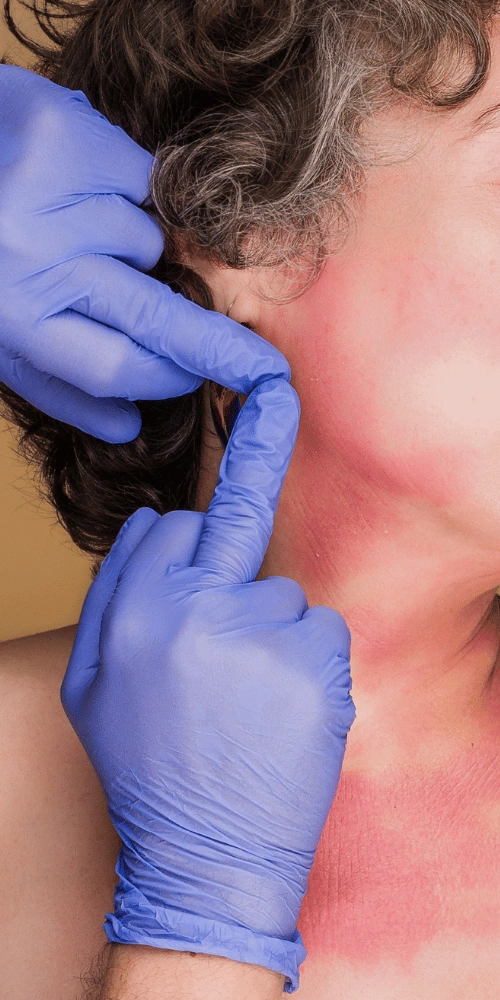
Eczema (also known as dermatitis) is a chronic skin condition that causes itching, redness, dryness, and inflammation. It can affect people of all ages and can significantly impact day-to-day comfort and confidence. At KS Ortho Care, we provide advanced eczema treatment in Coimbatore with a focus on long-term control, flare-up prevention, and skin healing.
Our dermatology team creates personalized treatment plans based on the type of eczema, severity, triggers, and your skin’s unique sensitivity.
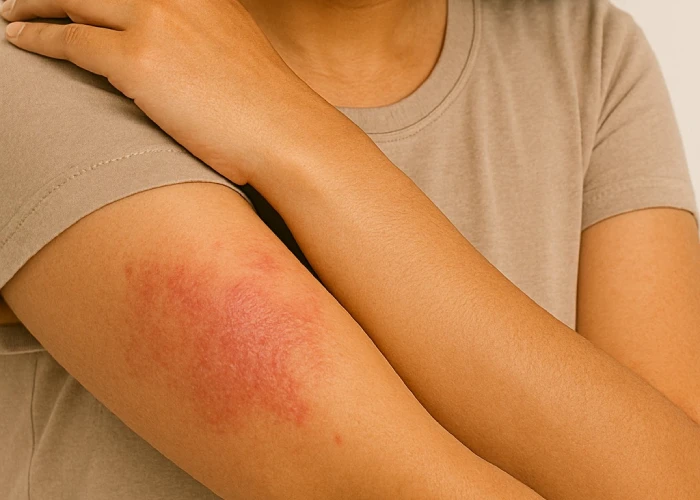
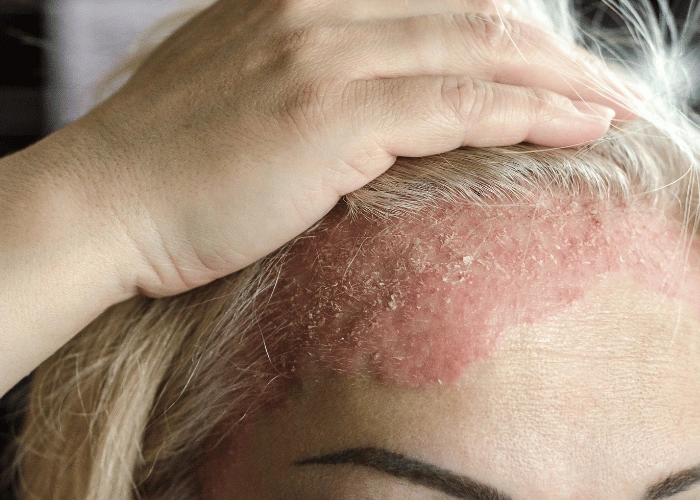
Children with eczema commonly experience dry and intensely itchy skin, especially on the face, arms, and behind the knees. Persistent itching often leads to scratching, which further irritates and damages the skin.
Affected skin areas may appear red, swollen, and inflamed, especially after scratching or exposure to triggers like heat, dust, sweat, or allergens.
In moderate to severe cases, small blisters may form and burst, causing fluid to ooze and create crusts. This can be painful and distressing for the child and may increase the risk of infection.
Repeated scratching over time can cause the skin to become thick, rough, and leathery — a condition known as lichenification. This is usually seen on areas constantly affected by flare-ups.
The most noticeable symptom is the development of distinct, irregularly shaped white patches. These patches are often symmetrical and may spread over time to different parts of the body.
In some cases, pigment loss affects the iris or retina, resulting in a lighter or discolored eye appearance.
Hair on the scalp, beard, eyebrows, eyelashes, and body may turn white or gray early due to loss of pigmentation in hair follicles — even before the natural aging process.
Vitiligo can also affect inner body surfaces, causing pale or white patches on the inside of the mouth, nose, gums, and lips.
Adults with eczema may notice changes in skin color in affected areas. The skin may appear darker or lighter than the surrounding areas, especially after repeated flare-ups or prolonged inflammation.
Eczema often leads to very dry, cracked skin, which may bleed or become more susceptible to infection. This is particularly common on hands, feet, elbows, and knees, where the skin is thicker.
Intense and persistent itching is one of the most troubling symptoms in adults. It can disrupt sleep, daily activities, and overall quality of life, and prolonged scratching may worsen skin damage.
Similar to children, adults may develop red, swollen, and painful patches. Exposure to triggers such as detergents, sweat, heat, fragrances, or stress can worsen irritation and discomfort.
The dermatologist begins with a detailed review of the patient’s medical history, including allergies, previous skin issues, family history of eczema, environmental exposure, and lifestyle factors. This helps identify patterns and triggers.
A careful examination of the skin is performed to assess the location, texture, redness, dryness, and severity of inflammation. This evaluation helps differentiate eczema from other skin conditions.
Patch testing is used when an allergic trigger is suspected. Small amounts of potential allergens are applied to the skin to identify substances that may cause or worsen flare-ups.
If there is a possibility of secondary infection, a small scraping or swab from the affected area may be taken to test for bacterial, fungal, or viral infection.